
Ever Wondered If Tech Could Turn Your Thai Spot into a Catering Powerhouse?
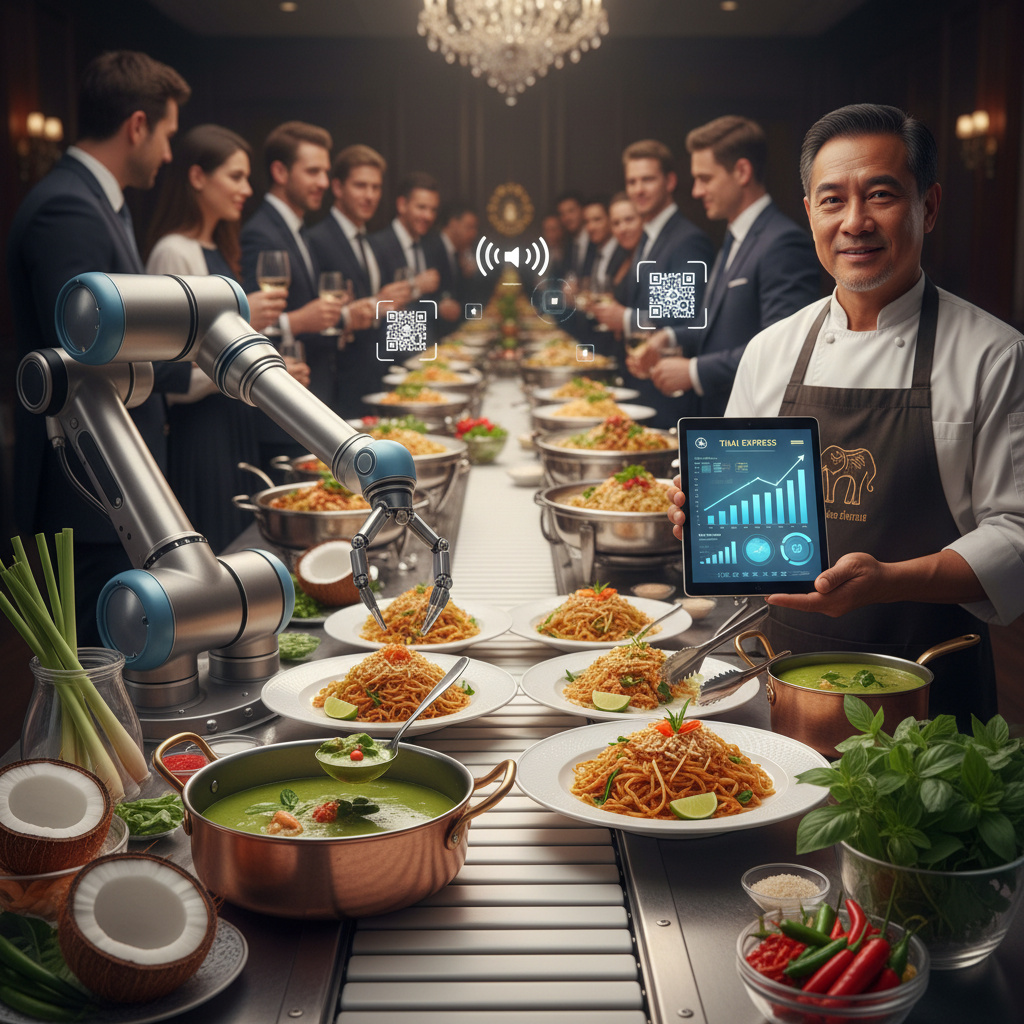
Picture this: It’s a Friday night, and your Thai restaurant is humming. The phone’s ringing off the hook with catering inquiries for weekend events—corporate lunches, family gatherings, you name it. But instead of scrambling to jot down orders amid the sizzle of woks and the chatter of diners, what if an AI voice smoothly captures every detail, from extra-spicy tom yum to gluten-free spring rolls? As a veteran business owner, you’ve built your operation on discipline and grit, but scaling catering doesn’t have to mean adding more hands to the chaos. Let’s talk about how catering automation can fuel your restaurant growth without the usual headaches.
A Veteran’s Tale of Taming the Catering Beast
Back when I first dipped my toes into restaurant ownership after my service days, I ran a small Thai joint in a bustling suburb. We did okay with dine-in, but catering? That was a different story. One big order for a company picnic nearly broke us—miscommunications led to double the curry, short on rice, and a frantic rush that left the team exhausted. Sound familiar? It’s the kind of mini-crisis that makes you question if expansion is worth the stress.
Fast forward a few years, and partnering with tech-savvy tools changed everything. I remember the first time we integrated voice AI for phone orders. A client called for a 50-person banquet, rattling off preferences like “mild green curry bundles and veggie pad Thai.” The system didn’t miss a beat, suggesting pairings and confirming details in natural conversation. No more scribbled notes or language mix-ups—especially helpful with Thai accents and dialects that can trip up even the best staff. That order went off without a hitch, and it was the start of our catering revenue climbing 30% in six months. If a skeptic like me can buy into this, imagine what it could do for your food service setup.
Why Thai Restaurants Are Ripe for Catering Automation Magic
Let’s get real: The food service world is cutthroat, especially for Thai spots where flavors are bold but operations can be finicky. Catering automation isn’t some futuristic gimmick—it’s a practical lifeline for restaurant growth. Tools like voice AI tackle those pesky pain points head-on: order errors that waste ingredients, staffing shortages during peak seasons, and the sheer volume of inquiries that pull you away from what you do best—crafting authentic Thai feasts.
Take voice AI solutions, as highlighted in Loman.ai’s insights. These systems use speech recognition to interpret commands, integrating with your POS to beam orders straight to the kitchen. For Thai catering, this means handling phone-based requests for everything from hot pot setups to holiday platters. Customers get personalized touches, like the AI remembering a client’s love for basil chicken, reducing errors and building loyalty. In busy periods, it cuts down on bottlenecks, letting your team focus on execution rather than entry. And for veteran owners? It’s like having an extra squad member who’s always on duty, no breaks needed.
Then there’s mobile ordering—think QR codes that let clients scan, browse your menu on their phones, and place catering orders in seconds. Platforms like Hong-Chiang make this seamless, syncing with the kitchen for real-time prep and generating sales reports to track profitability. Imagine a corporate client scanning a code at your counter, customizing a green curry event package, and watching as tablets alert staff to table availability or event setups. For Thai restaurants, this shines in scenarios like rolling banquets or promotions for festivals, slashing wait times and boosting throughput. Over 3,000 eateries are already using similar tech to combat labor shortages, turning potential chaos into smooth operations.
Don’t overlook AI-driven analytics and settlement. Huawei’s Seefood system, for instance, uses image recognition to ID dishes for instant pricing and nutrition breakdowns—perfect for health-focused catering clients eyeing your tom yum or spring rolls. Queue times drop from 20 seconds to just 3 per person, ramping up capacity from 180 to 1,200 folks per hour in high-volume events. For your Thai catering, this means self-service pickups with calorie details for dishes, positioning your offerings as premium and mindful. It’s a game-changer for catering marketing, letting you tout “AI-accurate Thai feasts, delivered on time” in emails or social blasts.
Robotics take it up a notch for prep and delivery. KUKA’s robotic arms, powered by AI vision, autonomously handle fulfillment—portioning curries or assembling noodle platters with precision. In partnerships for events or travel catering, they adapt on the fly, cutting manual labor and ensuring consistency. As a veteran, you’ve mastered efficiency; now, let bots handle the repetitive grind so you can scale without scaling headcount.
Real Wins: How Automation Fuels Thai Catering Revenue
Case in point: Emporium Thai’s story with Popmenu’s online ordering and AI phone answering. They managed over 16,600 calls a year, auto-sending catering links without tying up staff—saving hundreds of hours. This shifted focus to hospitality, exploding their catering as a revenue stream. For ghost kitchens via CloudKitchens, a single tablet juggles multi-platform orders and menu insights, ideal for delivery-focused Thai ops without dine-in overheads. Picture supplying tom yum kits or party platters from a low-cost hotspot—pure growth potential for food service pros like you.
Automated supply chains round it out, with Urban Food Alliance’s AI adjusting quantities to avoid waste in banquets. No more over-serving mango sticky rice or under-delivering satay. It even bridges gaps between planners and your team, nipping errors in the bud. Integrate voice AI for orders, mobile for fulfillment, robotics for prep, and analytics for smarts, and studies show 20-50% revenue jumps in catering. That’s not hype; it’s data-driven restaurant growth.
Of course, challenges lurk—upfront costs, staff pushback on tech, or tweaking for Thai dialects. But ROI hits quick through labor savings and fewer fumbles. Start small: Integrate POS links, train your crew on hybrid workflows, and tweak menus around specialties like pad Thai bundles. For catering marketing, automate campaigns spotlighting your tech edge—think targeted ads for “reliable Thai event catering.”
Your Next Move: Gear Up for Automated Expansion
So, veteran owner, ready to automate your way to catering dominance? Audit your current setup: Where do orders snag? Dip into voice AI trials or QR pilots this month. Check out Loman.ai or Popmenu for Thai-specific fits—they’re not sponsorships, just solid starts. Your discipline got you here; now let automation propel your Thai restaurant into scalable growth. What’s one tool you’ll test first? Hit that order button on progress today.
Book a 15 minute discovery call to find out more today at https://digifidelis.com/calendar/










[…] businesses: Grants, tax breaks, and low-interest loans tailored for veteran businesses. […]
[…] platforms like Instagram and Facebook to create […]
[…] Examples of Workflow […]
[…] Automation tools collect and analyze data, giving you insights to make smarter choices. Google Analytics, for instance, tracks website…
[…] like LinkedIn and Instagram are powerful networking tools. Share valuable content, engage with industry leaders, and showcase […]