
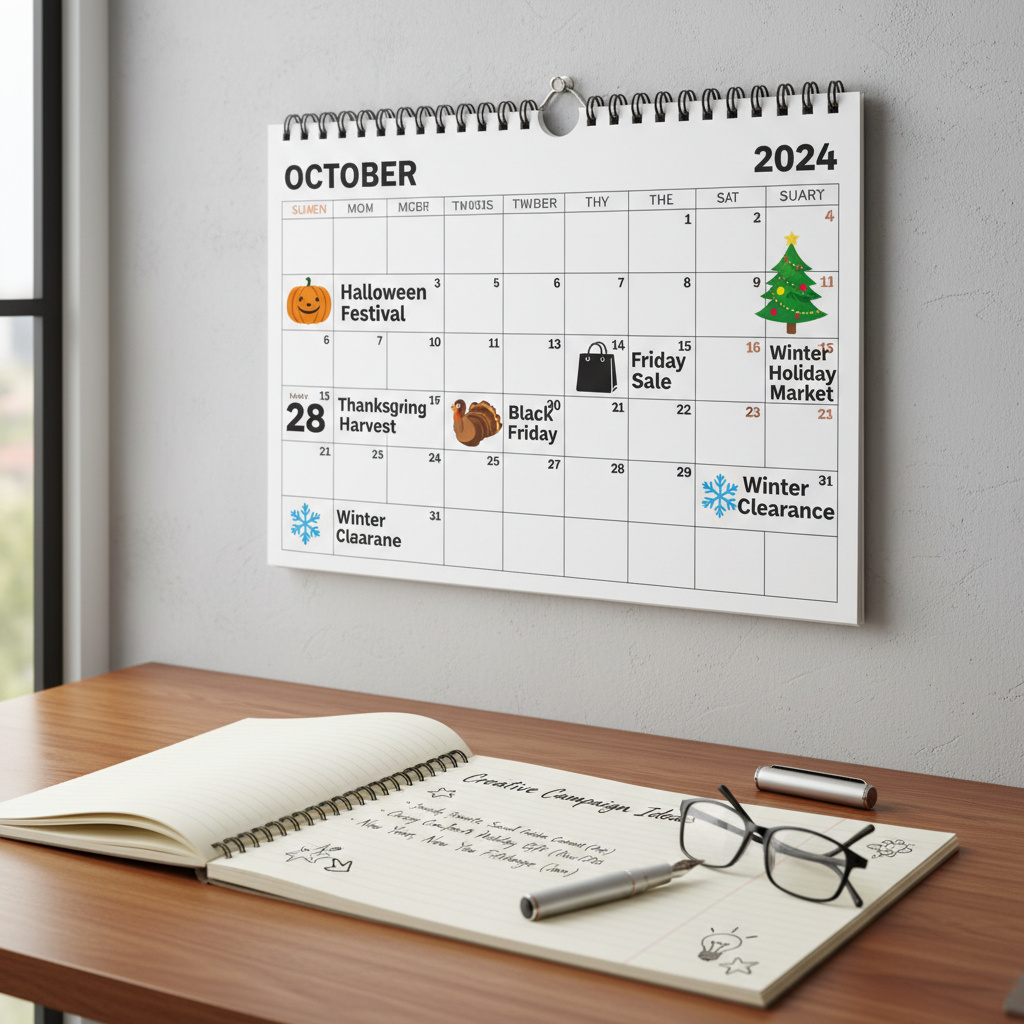
Most restaurant marketing fails because it chases short-term traffic instead of building sustainable demand. By understanding how to design strategic seasonal campaigns, you can transform unpredictable holiday rushes into reliable revenue streams that align perfectly with your restaurant’s operational strengths and brand identity. For veteran business owners, this shift from reactive to proactive marketing is not just about filling seats; it’s about building a resilient business model.
The pressure of seasonal marketing often manifests in three key areas for experienced restaurateurs: uneven demand, limited resources, and the challenge of maintaining profitability. Holidays, unpredictable weather shifts, the rhythm of school calendars, and local events can create sudden spikes in traffic or leave tables conspicuously empty with little warning. Compounding this, owners often find their time and staff stretched thin, pushing crucial campaign planning to the back burner until it’s too late to effectively capture peak demand. Furthermore, the temptation to rely on discount-heavy promotions during busy periods can fill seats but quietly erode profit margins, train guests to anticipate deals, and dilute a restaurant’s established regular pricing.
The true opportunity lies not merely in increasing traffic, but in cultivating more predictable traffic from the right guests. Owners are looking for campaigns that protect margins, authentically reflect their brand, and foster repeat visits long after the seasonal moment has passed. This is particularly relevant for Thai restaurant seasonal campaigns, where the rich tapestry of flavors, unique ingredients, specific dining occasions, and vibrant cultural celebrations can be leveraged into timely offers without appearing generic.
Effective seasonal marketing thrives when anchored in a clear operational framework: a single hero offer, a focused channel strategy, a defined conversion goal, and a consistent follow-up message. The most impactful approach involves building campaigns around distinct demand windows rather than relying solely on arbitrary dates. For instance, limited-time menus thoughtfully tied to local weather patterns, school breaks, major sporting events, Lunar New Year, Songkran, Thanksgiving, or year-end entertaining can generate a sense of urgency without resorting to deep discounting.
AP’s 2026 content trend analysis highlights a growing audience expectation for content and offers to feel relevant and personalized, while cautioning that personalization must not narrow perspective or erode trust. For a restaurant, this translates to segmenting messages by guest type—such as families, office groups, loyal regulars, dedicated delivery users, and curious first-time visitors—instead of broadcasting a single, undifferentiated holiday blast.
Owners must also design seasonal promotions to safeguard operational capacity. A bustling dining room is of little value if the kitchen struggles to keep pace or if staff burnout results in negative reviews. The key is to start with what the team can consistently execute with minimal added prep time per ticket, ideally under two minutes. Then, pair the offer with a clear profit target, such as a curated bundle, a prix fixe menu, a family-style platter, or an attractive beverage add-on, rather than a straightforward price reduction. This is where seasonal campaigns evolve from a marketing chore into a strategic business tool. They can effectively raise the average check size, improve table utilization, and provide more accurate labor forecasting.
Another practical insight is that the most successful campaigns are layered, not isolated, one-off events. Employ pre-season teaser content to build anticipation, followed by a robust launch push, and conclude with a final urgency reminder. Crucially, extend the campaign’s reach by retargeting engaged guests post-season. For example, a Thai restaurant introducing a winter “comfort spice” menu could promote it through engaging short-form video content, targeted email newsletters, updated Google Business Profile posts, and social media updates that showcase the dish in its intended context, rather than merely as a static menu item.
A well-executed campaign should also be a data-gathering exercise: meticulously track which offer drove reservations, which menu item achieved the fastest sales, and which marketing channel delivered the highest return on investment. ActiveCampaign’s analysis of AI content creation underscores how data-driven insights and personalization enhance targeting and empower creators to better understand audience preferences; this same logic is directly applicable to restaurant marketing campaigns. The ultimate objective is to discern precisely what resonates with your guests, enabling next season’s plan to be sharper, simpler, and demonstrably more profitable.
Consider the cyclical nature of customer behavior and how it aligns with your restaurant’s unique offerings. For a Thai restaurant, this might mean leveraging the cooler months for richer, spicier curries and warming noodle dishes, while the warmer months invite lighter, fresher salads and vibrant seafood preparations. These are not just menu changes; they are opportunities for themed marketing campaigns. A “Taste of Summer” campaign could feature refreshing iced teas and vibrant green papaya salads, promoted through visually appealing social media content that evokes sunshine and outdoor dining. Conversely, a “Winter Warmers” campaign might highlight rich Massaman curry and steaming bowls of Tom Yum, supported by email campaigns that emphasize cozy dining experiences and perhaps a special family-style meal deal for colder evenings.
The concept of demand windows extends beyond weather and holidays. Think about local community events. Is there a major arts festival, a sporting championship, or a university graduation? These are all potential demand windows. A restaurant near a popular concert venue could offer a pre-show dinner package, ensuring guests have ample time to enjoy their meal before heading to the event. This requires understanding your local landscape and proactively identifying these opportunities. For a Thai restaurant, this might involve creating a special “Festival Feast” platter designed for sharing, perfect for groups attending a local fair. The key is to make the offer relevant to the event and convenient for the attendee.
Operational alignment is paramount. If your kitchen excels at rapid stir-fry preparations, your seasonal campaigns should lean into offers that leverage this strength. A “Quick Lunch Express” menu during weekday lunch hours, featuring a selection of popular stir-fries with a side of rice, can cater to busy professionals and ensure high table turnover. This not only maximizes revenue during a specific demand window but also utilizes your kitchen’s core competencies efficiently. For a Thai restaurant, this could be a series of express lunch bowls that are quick to prepare but packed with authentic flavor.
Furthermore, think about how to extend the life of your seasonal campaigns. The post-campaign period is crucial for nurturing the relationships built during the promotion. Implement a simple feedback mechanism, perhaps a short survey sent via email to those who participated, asking about their experience and what they enjoyed most. This data is invaluable for refining future campaigns. Additionally, use your collected data to retarget guests who showed interest but didn’t convert, perhaps with a special offer for their next visit or an invitation to join your loyalty program. A Thai restaurant that ran a successful Lunar New Year promotion could follow up with guests who booked a table, offering them a discount on their next visit within a month, encouraging them to explore other aspects of the menu.
The Goal of Predictable Profits
The goal of predictable profits through seasonal marketing is to create a consistent, reliable flow of business that smooths out the peaks and valleys of demand. It’s about building anticipation, delivering exceptional value, and fostering loyalty. By moving beyond generic holiday marketing and embracing a strategic, data-informed, and operationally sound approach, veteran restaurant owners can transform seasonal pressures into predictable revenue streams, strengthening their business for the long term. This cyclical approach to marketing ensures that every season brings not just new opportunities, but also a more robust and profitable business.
Book a 15 minute discovery call to find out more today at https://digifidelis.com/calendar/











[…] businesses: Grants, tax breaks, and low-interest loans tailored for veteran businesses. […]
[…] platforms like Instagram and Facebook to create […]
[…] Examples of Workflow […]
[…] Automation tools collect and analyze data, giving you insights to make smarter choices. Google Analytics, for instance, tracks website…
[…] like LinkedIn and Instagram are powerful networking tools. Share valuable content, engage with industry leaders, and showcase […]