
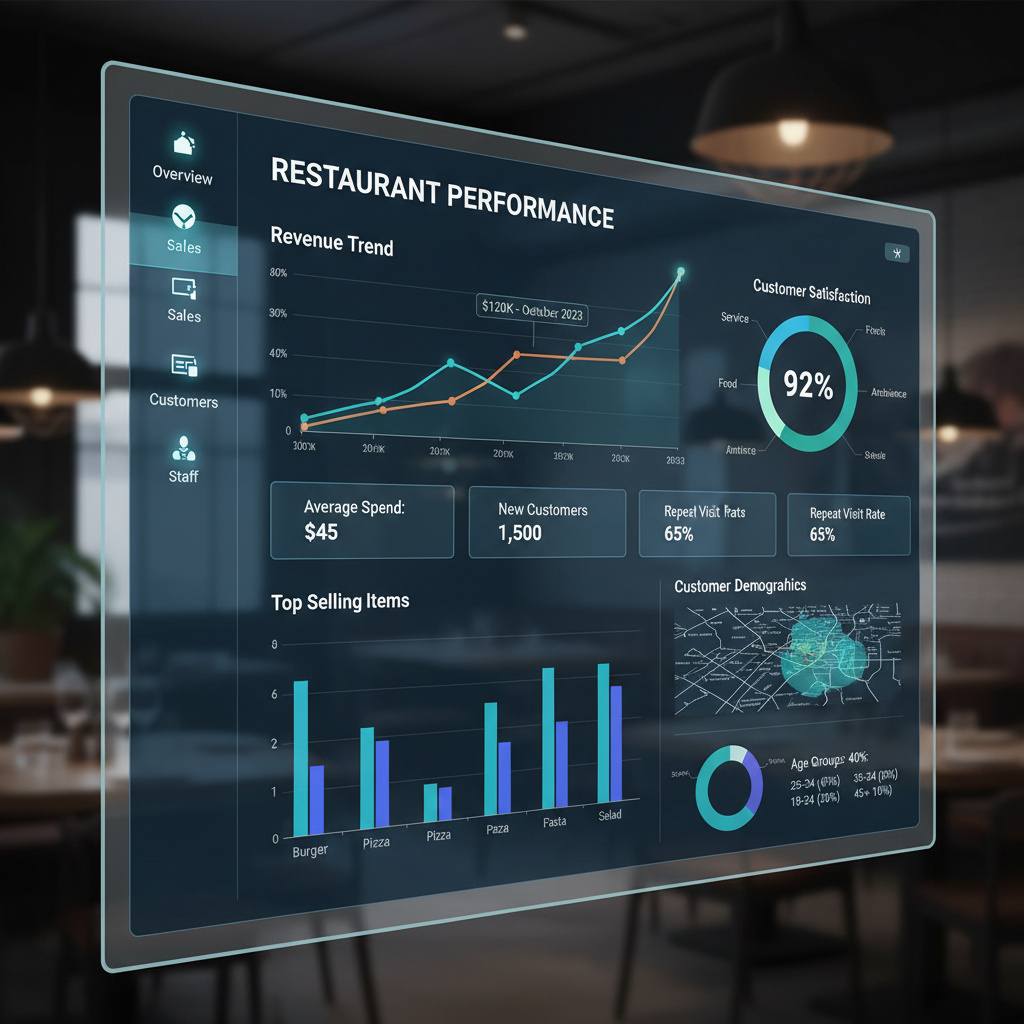
The future of restaurant success isn’t just about serving great food—it’s about understanding exactly who’s eating it, when, and why. For veteran restaurateurs, leveraging Customer Data Platforms and intelligent analytics is no longer optional; it’s the key to transforming raw data into strategies that boost customer loyalty and profitability.
Navigating the 2026 Restaurant Landscape
In 2026, the landscape for seasoned business owners, especially those navigating the unique demands of a Thai restaurant, presents significant challenges. Fragmented customer data scattered across point-of-sale systems, loyalty apps, and online orders leaves a blind spot regarding true guest behavior. Compounding this is the overwhelming volume of data, often turning potential insights into a paralyzing quagmire. According to Nation’s Restaurant News, 42% of operators admit their data remains siloed, making it nearly impossible to create unified guest profiles. This fragmentation obscures critical insights, like why some diners disappear after just a few visits.
Predictable Profitability Through Data
As a veteran operator, you aspire to more than survival; you aim for predictable profitability and a loyal base of patrons who evolve from one-time visitors into lifelong advocates. These dedicated guests significantly boost guest lifetime value (LTV) through consistent repeat visits and increased average check sizes. Restaurant analytics are not a luxury but a necessity, especially in an economically uncertain climate where 64% of consumers report instability, as highlighted by Datassential’s 2026 trends. Data provides the key to unlocking value-driven experiences that consistently outperform competitors.
The Power of Customer Data Platforms
The foundational solution lies in Customer Data Platforms (CDPs), which unify disparate data sources—like POS transactions, reservation logs, and customer reviews—into comprehensive guest profiles. This aggregation reveals intricate patterns, such as a diner’s consistent preference for mango sticky rice or identifying lapsed visitors for targeted win-back campaigns. Evokad’s Digital Transformation Guide emphasizes that this consolidated data informs crucial operational decisions, from refining menu offerings to optimizing labor scheduling, significantly reducing costs.
Layering AI for Predictive Insights
But the true power emerges when AI capabilities are layered onto this robust data infrastructure. The strategic shift should focus on building a cohesive data ecosystem supported by strong governance and dedicated analytics talent. Artificial intelligence can segment guests based on behavior, enabling predictive actions. For instance, if a family consistently orders green curry but has recently stopped visiting, AI can predict churn and trigger personalized offers, like a “Buy one satay, get papaya salad half-off” promotion. McKinsey’s 2026 consumer analysis shows how leading chains leverage these insights for dynamic pricing and sophisticated menu design, elevating customer experiences while optimizing costs.
Real-World Success and Targeted Marketing
The tangible impact of these strategies is evident in real-world success stories. Evok’s “Trial to Ambassador” model tracks guests from their first visit to becoming brand evangelists, prioritizing retention strategies over acquisition. Consumer Edge data consistently shows that successful brands blend value with exceptional experiences, driven by real-time insights. Independent Thai restaurants can emulate this success by analyzing income-based dining trends to effectively target value-conscious consumers with compelling lunch specials.
Building Trust Through Privacy
Building trust through robust privacy practices is no longer optional; it’s a competitive edge. As personalization becomes more sophisticated, transparent opt-in processes and clear communication regarding data usage differentiate forward-thinking establishments. According to 2026 marketing trends, guests are more forgiving of data collection when it fuels highly relevant recommendations.
Implementing Advanced Analytics: A Three-Step Approach
Implementing advanced analytics capabilities can be approached in three clear steps:
- Conduct a thorough audit of existing data silos and integrate them through a CDP.
- Consider hiring a dedicated data-savvy manager or partnering with specialized platforms like Crunchtime.
- Pilot AI-driven initiatives on a single channel, such as SMS for re-engaging lapsed customers, and measure the results.
By embracing AI-powered customer data analytics, veteran restaurateurs are not just adapting to the future; they’re shaping it. The ability to deeply understand your diners, anticipate their needs, and deliver hyper-personalized experiences is the ultimate differentiator in the competitive culinary landscape of 2026 and beyond. This data-driven approach ensures not only survival but sustained growth and enduring customer loyalty.
Book a 15 minute discovery call to find out more today at https://digifidelis.com/calendar/











[…] businesses: Grants, tax breaks, and low-interest loans tailored for veteran businesses. […]
[…] platforms like Instagram and Facebook to create […]
[…] Examples of Workflow […]
[…] Automation tools collect and analyze data, giving you insights to make smarter choices. Google Analytics, for instance, tracks website…
[…] like LinkedIn and Instagram are powerful networking tools. Share valuable content, engage with industry leaders, and showcase […]