
Successful restaurants don’t leave seasonal demand to chance—they engineer it. Whether you run a Thai restaurant, a casual bistro, or a fine dining establishment, the same principles apply: seasonal scarcity creates urgency, emotional storytelling builds loyalty, and data-driven timing maximizes every promotional dollar. This playbook reveals how one Milwaukee restaurant turned summer passes into $24,000 in baseline revenue—and how you can replicate that success.
In today’s competitive landscape, seasonal marketing isn’t just an option; it’s a necessity. Industry data shows that 51% of restaurant operators reported lower customer traffic in late 2025, highlighting the need for proactive planning. As a veteran business owner, you know that waiting for customers to show up during off-seasons is a losing strategy. Instead, align your marketing with consumer behavior shifts to seize opportunities before your competitors do.
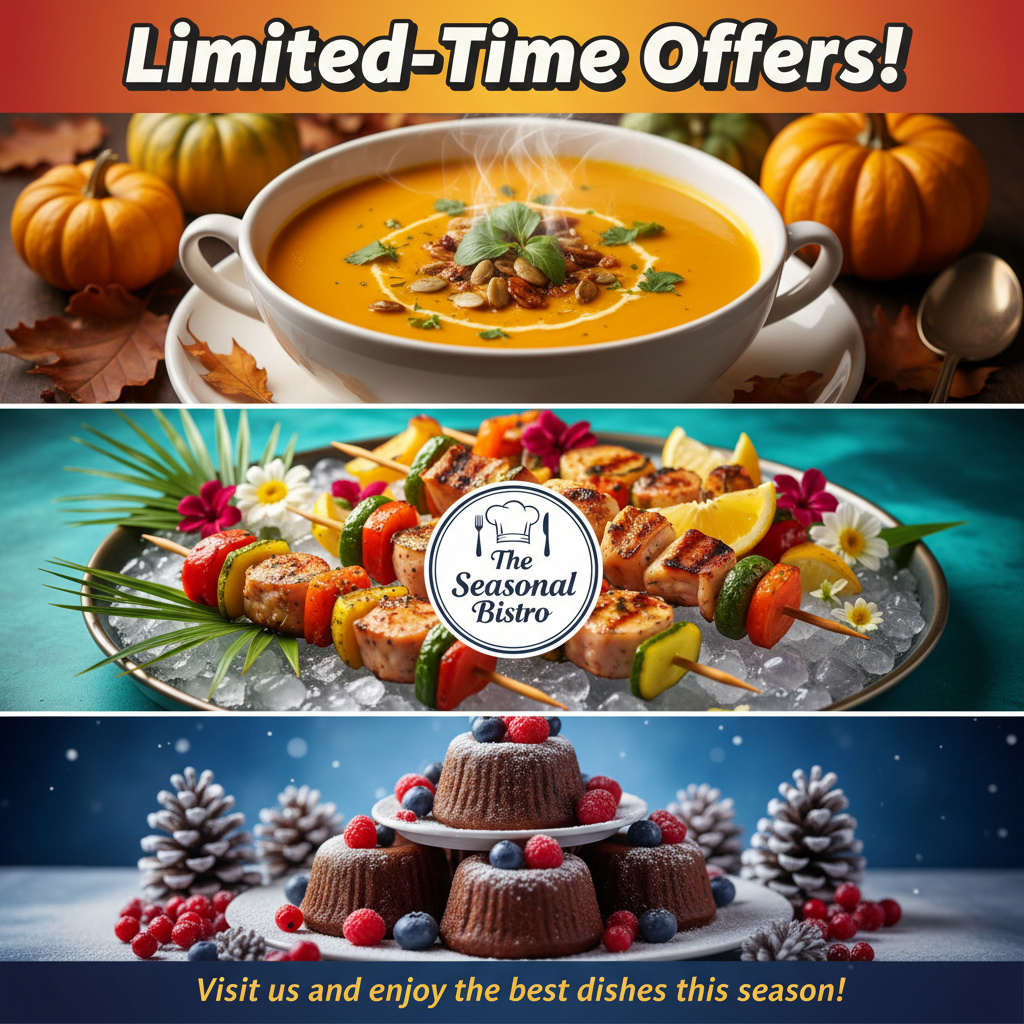
At the heart of effective seasonal campaigns are limited-time offerings (LTOs), which drive urgency through scarcity. Research indicates that these promotions can increase customer visits by up to 8%. For instance, Taco Bell’s nostalgic Cheesy Street Chalupa revival saw significant success by leveraging exclusivity. For your restaurant, tie LTOs to seasonal themes—think pumpkin-infused desserts in fall or tropical specials in summer. This not only refreshes your menu but also motivates repeat visits before the items disappear, turning casual diners into loyal patrons.
Summer Strategies: Capitalizing on High Traffic
Summer demands strategies that leverage the season’s warmth and outdoor appeal. Visual platforms like Instagram are key, where micro-influencer partnerships can amplify your reach. A Portland restaurant’s summer campaign generated 280,000 impressions and 47 reservations through targeted promo codes, proving the ROI of authentic endorsements. Consider offering “Patio Season Passes” to lock in revenue—one Milwaukee spot sold 240 passes at $100 each, ensuring steady traffic through July and August. Enhance this with local tie-ins, like pre-event bites for nearby concerts or discounts for gym-goers, to double sales during peak hours. For takeout-focused venues, picnic baskets or grill packs near parks can boost off-premise sales.
Autumn Appeal: Evoking Comfort and Nostalgia
As leaves turn, autumn marketing shifts to comfort. Use evocative language in your menu descriptions—words like “spiced,” “roasted,” or “slow-simmered”—to stir emotional responses. Highlight seasonal offerings like harvest salads or apple cider glazes. In a Thai restaurant, incorporate warming spices like ginger to evoke cozy vibes. Promote sustainability stories around local sourcing to deepen connections. User-generated content thrives with contests like #FallFlavorChallenge, offering discounts for shares, which boosts visibility and attracts new customers without heavy ad spend.
Maximizing the Holiday Rush
The holiday season is your biggest revenue opportunity, fueled by festive gatherings and gifting. Craft set menus, cocktail packages, and gift cards with urgent messaging—“Only five tables left for Christmas Eve.” Incentivize early bookings with perks like priority reservations. Share behind-the-scenes content of menu prep or staff holiday spotlights on social media to humanize your brand. Extend gift card promotions with twists like mystery discounts or flash sales to maintain momentum. Multi-channel pushes via email and Instagram ensure broad engagement, while VIP previews for loyal customers foster long-term ties.
Post-Holiday Strategies: Keeping the Momentum
January presents unique opportunities with trends like Veganuary and Dry January. Offer plant-based dishes or refreshing mocktails at value prices to attract health-conscious crowds. Use loyalty emails to revive lapsed customers, offering free seasonal drinks or coffee giveaways. Budget-friendly sets that feel premium help convert resolution-makers into regulars.
Beyond Core Seasons: Advanced Tactics
Seasonal marketing isn’t just about the major holidays. Address micro-shifts like heatwaves with frozen drink specials or one-day “market stall” menus for real-time buzz. Build a year-round content calendar for consistent social posts, emails, and signage, tying into observances like November’s gluten-free awareness with specialized LTOs. This cyclical approach ensures every month contributes to your annual flow.
Digital Tools for Amplification
Leverage digital marketing to supercharge your campaigns. Local Google ads, optimized for search and maps, doubled visits for McDonald’s in targeted areas—adapt this for your neighborhood to capture intent-driven searches. Retargeting on Facebook with lookalike audiences brings in similar customers, while promo codes from influencers track exact ROI. For a Thai restaurant, geo-fenced ads during cultural festivals can spotlight seasonal offerings like Songkran-inspired specials.
Partnerships for Greater Reach
Collaborate with local events—festivals, sports, or school holidays—for co-promotions. Street food vendors can thrive with portable festive packs, while sit-down venues enhance ambiance with seasonal decor. Corporate tie-ins position you as a go-to for holiday parties, diversifying your revenue streams beyond walk-ins.
Structural Planning for Success
Maintain an editorial calendar noting key dates: back-to-school rushes, summer solstice peaks, or pre-Christmas previews. Review past performance annually to refine timings and messaging. Early holiday prep builds inventory and buzz, avoiding last-minute scrambles.
Tailor Strategies to Your Concept
A Thai restaurant might fuse seasonal ingredients—like mango sticky rice in summer or hot pots in winter—for authentic LTOs. Street vendors focus on grab-and-go exclusives, while full-service spots emphasize experiential decor.
Data: Your Competitive Edge
Track reservations, orders, and traffic via promo codes and loyalty enrollments to pinpoint successful strategies. Veteran owners like you refine yearly: if holiday emails yielded 30% open rates, double down on that approach. This measurement turns campaigns into predictable profit engines.
Ultimately, mastering seasonal marketing transforms demand cycles into reliable growth. By weaving scarcity, storytelling, and data into your restaurant marketing, you’ll not only survive off-peak periods but thrive year-round. Start planning your next cycle today—your bottom line will thank you.
Book a 15 minute discovery call to find out more today at https://digifidelis.com/calendar/











[…] businesses: Grants, tax breaks, and low-interest loans tailored for veteran businesses. […]
[…] platforms like Instagram and Facebook to create […]
[…] Examples of Workflow […]
[…] Automation tools collect and analyze data, giving you insights to make smarter choices. Google Analytics, for instance, tracks website…
[…] like LinkedIn and Instagram are powerful networking tools. Share valuable content, engage with industry leaders, and showcase […]