
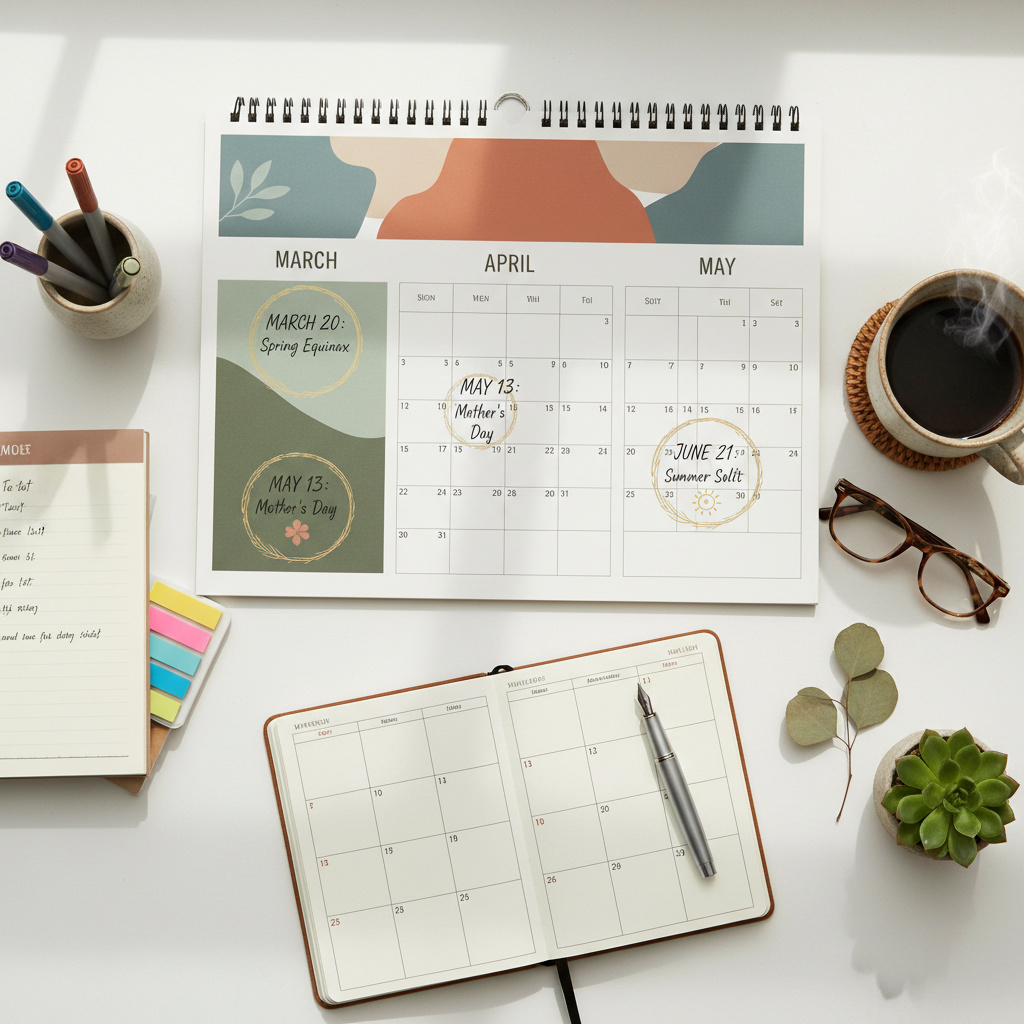
Most restaurants react to seasons. The ones that thrive plan them. By starting your seasonal campaign strategy in July or August—months before the rush—you can analyze what worked last year, secure specialty ingredients, train your team, and execute campaigns that actually move the needle on revenue. This guide walks veteran operators through the exact timeline and tactics that separate seasonal marketing from seasonal scrambling.
Seasonal marketing campaigns are a critical revenue strategy for restaurant operators looking to capitalize on shifting consumer behavior throughout the year. The key to success is advanced planning, with operators initiating their strategies three to four months before peak seasons. This forward-thinking approach allows restaurants to analyze historical performance, survey customer preferences, develop themed menus, and secure specialty ingredients. For veteran business owners, this isn’t just about trends; it’s about building a resilient and profitable operation.
The Planning Framework
The strategic planning calendar follows a consistent framework. July and August are crucial for preparation. During these months, operators should analyze the previous year’s holiday performance data to identify successes and failures. This is also the time to survey customer preferences, ensuring upcoming campaigns align with what patrons desire.
September focuses on creative production and staff training. This includes professional photography of seasonal items to ensure they look as appealing in marketing as they do on the plate. Front-of-house briefings are essential to equip your team with the knowledge to promote new offerings effectively. This phase also includes finalizing promotional budgets and performance tracking systems.
October through December is the execution phase. Campaigns launch according to the established calendar, with real-time metrics guiding adjustments to maximize impact. This iterative approach ensures your restaurant remains responsive to market dynamics and customer feedback.
Visual Storytelling: The Game Changer
Visual storytelling through social media, particularly Instagram and TikTok, is the highest-performing channel for seasonal marketing. Content that showcases the creation process outperforms generic food photography. For example, a San Francisco restaurant created a 15-second Instagram Reel showing a chef preparing a pumpkin crème brûlée, generating 47,000 views and 23 direct reservation inquiries. Effective visual content includes time-lapse videos, staff taste-testing segments, and customer reaction shots. These authentic glimpses build connection and drive interest.
Navigating Seasonal Challenges
Winter marketing addresses the post-holiday slump, a time when customers often reduce dining frequency. The “Locals Supper Club” model creates exclusive experiences on typically quiet nights, offering curated fixed-price menus. This approach reframes value around the experience rather than price, preserving margins while rebuilding traffic.
Spring pivots to celebrating seasonal transitions and food-centric holidays. The “Meet the Producer” dinner series partners with local suppliers to host events featuring signature ingredients. This model establishes community ties, creates rich social media content, and attracts premium diners.
Summer campaigns focus on transforming outdoor spaces into event destinations. The “Terrace Sessions” model turns patios into primary venues, encouraging extended visits and driving high-margin sales. Detailed editorial calendars ensure no engagement opportunities are missed.
Fall marketing emphasizes emotional connection through descriptive language and ambiance. Seasonal decorations and campaigns like the #FallFlavorChallenge incentivize customer participation, increasing visibility and lowering acquisition costs.
Maximizing Impact with Multi-Channel Outreach
Email and SMS marketing are particularly effective during seasonal campaigns. A strategic three-message sequence—introductory announcement, mid-period reminder, and closing thank-you—ensures top-of-mind awareness. Personal touches, like VIP early access, build loyalty.
Limited-time and seasonal menu items create urgency and justify repeat visits. Highlighting contemporary dietary trends, such as vegan options during awareness months, enhances appeal. Scarcity emphasizes the exclusivity of offerings, driving conversions.
Implementation Timeline
Two to three weeks before a campaign, restaurants should:
– Send reminder emails to existing reservation holders.
– Maintain daily social content to build anticipation.
– Confirm specialty ingredient orders and staffing levels.
– Launch email and SMS campaigns.
– Publish social media content calendars and activate paid ads.
Veteran business owners must recognize that seasonal marketing success relies on systematic planning. The most resilient operators establish performance measurement systems to capture real-time data, enabling adjustments before campaigns conclude. By embracing a proactive, data-driven approach, your restaurant can thrive by planning for the seasons, not just reacting to them.
Book a 15 minute discovery call to find out more today at https://digifidelis.com/calendar/










[…] businesses: Grants, tax breaks, and low-interest loans tailored for veteran businesses. […]
[…] platforms like Instagram and Facebook to create […]
[…] Examples of Workflow […]
[…] Automation tools collect and analyze data, giving you insights to make smarter choices. Google Analytics, for instance, tracks website…
[…] like LinkedIn and Instagram are powerful networking tools. Share valuable content, engage with industry leaders, and showcase […]