
The Trap of the Slow-Season Panic
Picture this scenario. It is a rainy Tuesday evening in late October. The dinner rush has slowed to a thin trickle, and the kitchen staff is standing around keeping themselves busy by wiping down clean counters. You are staring at the monthly profit-and-loss statement, feeling the familiar, uncomfortable pinch of a seasonal slump. Out of frustration, you decide to log onto your social media pages and blast out a coupon: “Get fifteen percent off all orders this week!”
The result? You get a minor rush of bargain-hunting diners. Your team works hard to serve them, but when the dust settles, your cash register is full of lower-ticket receipts. The average check is depressed, and your margins are completely gutted. Once the coupon expires on Sunday, those discount-driven diners vanish into thin air, leaving you right back where you started. You did not build sustainable guest loyalty; you simply subsidized customers who probably would have paid full price anyway, or worse, trained your target audience to wait for a clearance sale.
For veteran business owners who are used to tactical planning and operational discipline, this reactive style of restaurant marketing feels like trying to defend a position without an established defensive plan. It is chaotic, expensive, and stressful. The real secret to mastering restaurant seasonal marketing is to shift away from sudden, desperate discounting and move toward a highly structured, repeatable campaign calendar. By treating your seasons as predictable cycles of shifting consumer demand, you can turn seasonal dynamics into a reliable system for raising average check sizes, mobilizing your regular customer base, and protecting your bottom line from January to December.
The Psychology of the Limited-Time Offer (LTO)
Why do giant chains and elite independent operators obsess over seasonal campaigns? It is not just about keeping the menu interesting. The true engine behind successful seasonal marketing is the psychological principle of scarcity. When something is available all year round, guests feel absolutely no urgency to visit your restaurant today. They can always come back next month. But tell them a specific item is only available for thirty days, and you immediately trigger an intense fear of missing out.
This dynamic operates exactly like supply drops in the field—when resources are strictly limited, their perceived value spikes. A seasonal menu update gives your brand a natural, low-pressure excuse to reach back out to your customer lists. It creates a conversational bridge. You are not begging them for business with a cheap coupon; you are inviting them back to experience an exclusive, time-restricted culinary event.
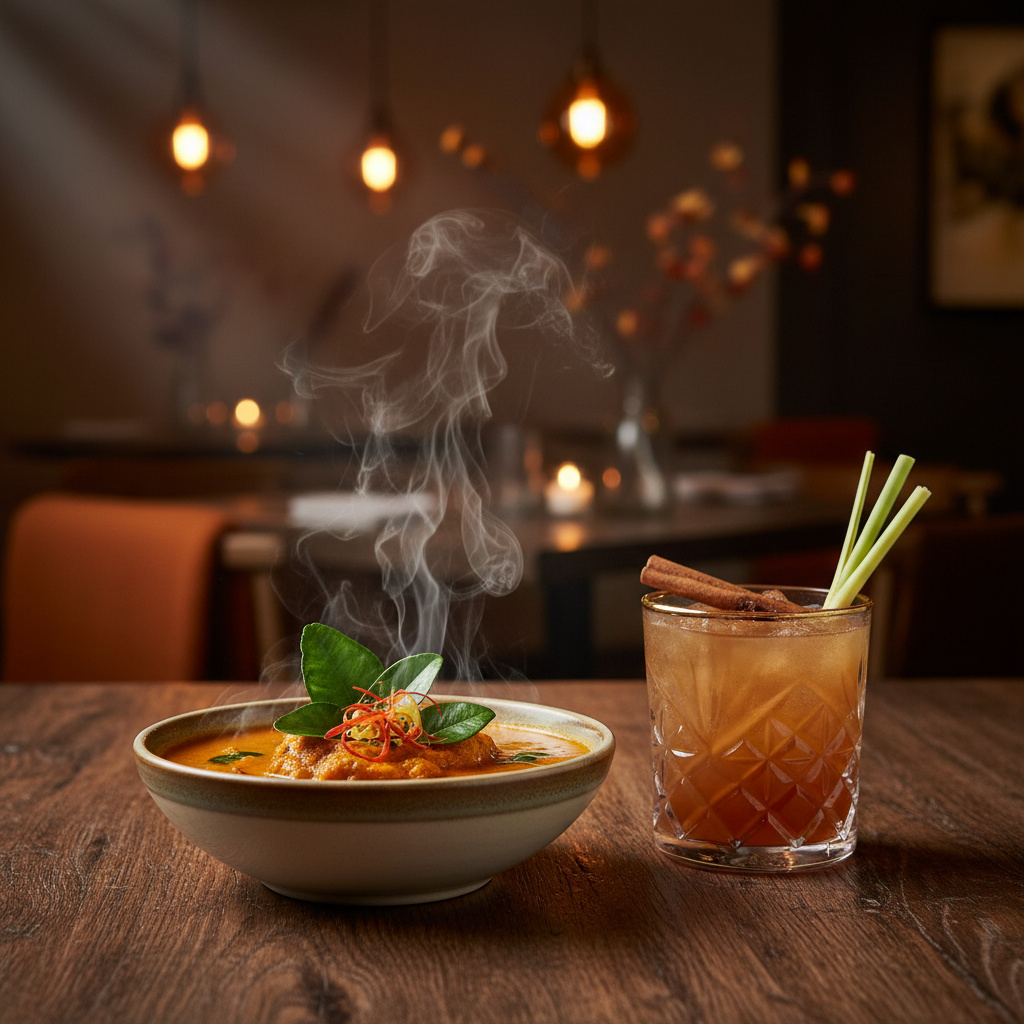
This is especially true for specialized concepts like an independent Thai restaurant. Thai cuisine is naturally built on fresh, hyper-seasonal ingredients like sweet mangoes, green papayas, and warming root vegetables. A Thai restaurant can lean directly into this authenticity by swapping generic seasonal promotions for culturally anchored culinary events. Instead of launching a generic spring promotion, a Thai operator can introduce a vibrant menu honoring Songkran (the Thai New Year) featuring special clay-pot shrimp dishes or cool, herb-infused lemongrass beverages. This approach turns a basic dinner night into a memorable cultural celebration that justifies a premium price tag while setting your brand apart from the local competition.
Building Your Fall Offense: The Comfort Campaign
As the weather cools down and daylight hours grow shorter, consumer behavior shifts dramatically from light, outdoor dining to indoor comfort and warm indulgence. Fall is your perfect window to roll out cozy language, rich dishes, and high-margin seasonal bundles designed to drive traffic during typically slower weekdays.
To execute a highly effective fall campaign, start by updating your core menu and online ordering platform with two or three heavy, comforting dishes. For example, a Thai restaurant might introduce a rich, slow-simmered Massaman curry with roasted sweet potatoes or a spicy, aromatic herbal noodle soup. Pair these dishes with a seasonal spiced beverage. The goal here is simple: use your marketing materials to paint a vivid picture of warmth and shelter from the autumn chill.
Do not let your team rely strictly on broadcast messages. Instead, use highly localized social media campaigns to draft your guests into your marketing army. Launch a user-generated content campaign by placing a small, beautifully designed sign on your tables. The message can be simple: “Share a photo of your cozy autumn curry, tag our account, and we will choose one winner every week to receive a free signature dessert on their next visit.” This simple feedback loop turns every smartphone in your dining room into an authentic billboard, boosting your local search visibility and providing you with a continuous flow of high-quality, authentic promotional assets.
Winter Survival: High-Value Holiday Marketing & The Bounce-Back Play
The winter months represent a wild, unpredictable landscape. November and December are filled with massive holiday spending, company banquets, and high emotional connection. Then, the clock strikes midnight on December 31st, and the industry enters the tough winter freeze of January and February. Your holiday marketing strategy must do double duty: capitalize on high spending in Q4 to secure and build cash reserves, while simultaneously planting seeds to survive the winter dry spell in Q1.
This is where you should ditch traditional discounts in favor of creative gift card strategies. Rather than treating a gift card as a simple commodity, package it as an unforgettable experience. For every fifty dollars a customer spends on gift cards in December, provide them with a complimentary fifteen-dollar bounce-back voucher. But write this critical condition on the voucher: VALID FOR IN-STORE DINING ONLY BETWEEN JANUARY 1ST AND FEBRUARY 28TH.
This is a classic tactical maneuver. You are capturing full-price revenue during the holiday rush, and using that seasonal momentum to force a secondary, high-margin visit during your slowest period of the year. When those guests return in January to redeem their bounce-back card, they will almost always spend far more than the value of the voucher itself, effectively driving up your mid-winter margins.
Additionally, do not ignore local business partnerships during the festive season. Reach out to local clothing boutiques, independent theaters, or florist shops. Partnering to offer a “date night bundle” (such as a gift card paired with theater tickets or a holiday flower arrangement) allows both business owners to cross-promote to their respective guest databases. It is a highly efficient way to acquire premium, local customers without spending a single dollar on cold digital ads.
Spring & Summer: Embracing Renewal and Freshness
When spring arrives, your customers want to shake off the winter blues. This is the time to pivot your messaging toward fresh ingredients, bright colors, lighter proteins, and refreshing cocktails. Highlight seasonal produce such as fresh asparagus, sweet basil, mangoes, and strawberries. Update your delivery application headers and Google Business Profile with bright, naturally lit food photography that reflects the energetic aesthetic of the new season.
Spring and summer are also packed with an intense cluster of targeted celebration times: Easter, Mother’s Day, graduation season, and Father’s Day. Rather than offering your regular menu on these high-volume days, protect your kitchen operations and stabilize your food costs by utilizing limited-run, prix-fixe brunch and dinner menus. A curated, three-course holiday menu allows your kitchen to prep with absolute precision, dramatically accelerates table turn-times, reduces food waste, and creates an upscale, exclusive dining experience that easily commands a higher per-head price point.
The Multi-Channel Dispatch Order
The most brilliant marketing concept in the world will fail completely if your target audience does not know it exists. Far too many restaurant owners post a single, half-hearted photo on their social media accounts and wonder why their dining room remains empty. To make your seasonal promotions work, you must roll them out with disciplined, multi-channel execution.
- Google Business Profile (GBP): This is your digital storefront. Over seventy percent of local searches happen directly on Google. The moment you launch a seasonal campaign, upload high-resolution photos of your new items to your GBP page, post a seasonal update, and add your limited-time menu items directly to your product catalog using keyword-rich descriptions like “authentic seasonal Thai restaurant menu.”
- Email Marketing: Your email database is your most valuable business asset because you own it outright. Send a clean, visually compelling email to your list five days before your seasonal campaign goes live to build anticipation. Follow up on the launch day with a clear, direct call-to-action to book a table or place a pickup order online.
- SMS Marketing: Text messaging is incredibly personal and boasts an average open rate of over ninety percent. Use SMS specifically for urgent, short-lived campaigns. A text blast sent at 4:30 PM on a wet Thursday offering a warm, seasonal curry bundle can immediately fill your tables for the evening session. Keep these messages short, friendly, and highly focused on urgency.
- In-House Marketing: Do not neglect the captive audience already sitting in your dining room. Use clean, professional table tents, menu inserts, and friendly team-member recommendations to encourage guests to try your seasonal, high-margin specials.
Constructing Your Annual Repeatable Marketing Calendar
Operational success is built entirely on predictability and preparation. To stop playing defense, you must build an annual, repeatable marketing calendar. This is your master campaign plan. Divide your year into four primary operational quarters, and map out your strategic objectives well in advance.
Twelve weeks before any season starts, finalize your limited-time recipes and calculate your exact food cost percentages. Eight weeks out, shoot high-quality food photography and draft your promotional materials. Four weeks out, build your online assets and prepare your staff. When launch day finally arrives, your team will execute their tasks with the calm, quiet confidence of a crew operating a highly polished machine.
By standardizing your seasonal system, you can reuse your core assets, email templates, and menu frameworks year after year. This reduces your administrative stress and allows you to constantly refine your creative approach based on real, historical performance data. You will no longer waste hard-earned cash on reactive, panicked discounts. Instead, you will run an efficient, highly profitable business that uses the natural rhythm of the year to build guest loyalty and consistently grow your bottom line.
Ready to transform your seasonal marketing from panic to profit? Book a 15 minute discovery call to find out more today!











[…] businesses: Grants, tax breaks, and low-interest loans tailored for veteran businesses. […]
[…] platforms like Instagram and Facebook to create […]
[…] Examples of Workflow […]
[…] Automation tools collect and analyze data, giving you insights to make smarter choices. Google Analytics, for instance, tracks website…
[…] like LinkedIn and Instagram are powerful networking tools. Share valuable content, engage with industry leaders, and showcase […]